How to Choose the Right Tile for Your Bathroom
Bathroom tile plays a major role in the look, comfort, safety, and maintenance of the space. Here is how to find the perfect fit.
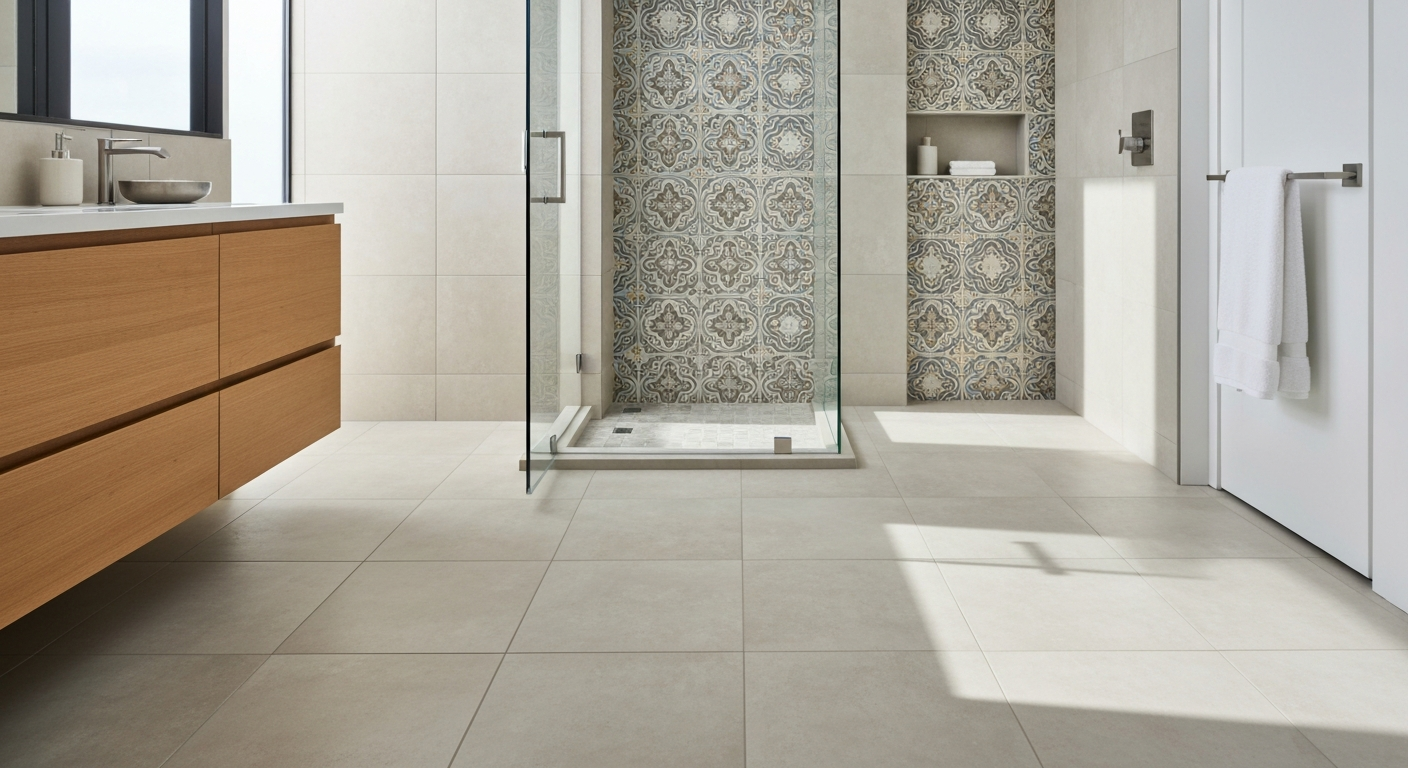
Bathroom tile plays a major role in the look, comfort, safety, and maintenance of the space. The right tile can make a small bathroom feel larger, add personality to a simple design, and provide a durable surface that stands up to moisture and daily use.
With so many materials, colors, sizes, and finishes available, choosing bathroom tile can feel overwhelming. The best option depends on where the tile will be installed, how much maintenance you are comfortable with, and the overall style you want to create.
Start with the Tile’s Location
Not every tile is suitable for every part of the bathroom. Before choosing a color or pattern, determine where the tile will be used.
Common installation areas include:
- Bathroom floors
- Shower floors
- Shower walls
- Vanity backsplashes
- Bathtub surrounds
- Accent walls
- Niches and benches
Wall tile does not always have the strength or slip resistance required for flooring. Shower floors also need materials that perform well in constantly wet conditions. Always check whether the tile is rated for the intended application.
Choose a Water-Resistant Material
Bathrooms are exposed to humidity, splashes, and standing water, so moisture resistance is essential.
Porcelain Tile
Porcelain is dense, durable, and highly resistant to water. It works well on bathroom floors, shower walls, and other wet areas. It is available in many designs, including options that resemble natural stone, concrete, or wood.
Ceramic Tile
Ceramic tile is another popular choice for bathrooms. It is often more affordable than porcelain and is available in a wide range of colors and patterns. Ceramic is commonly used on walls and backsplashes, although some products are also suitable for floors.
Natural Stone
Marble, slate, travertine, and other natural stones can create a distinctive, high-end appearance. However, many natural stone products require sealing and regular maintenance. Some may also stain, etch, or become slippery when wet.
Glass Tile
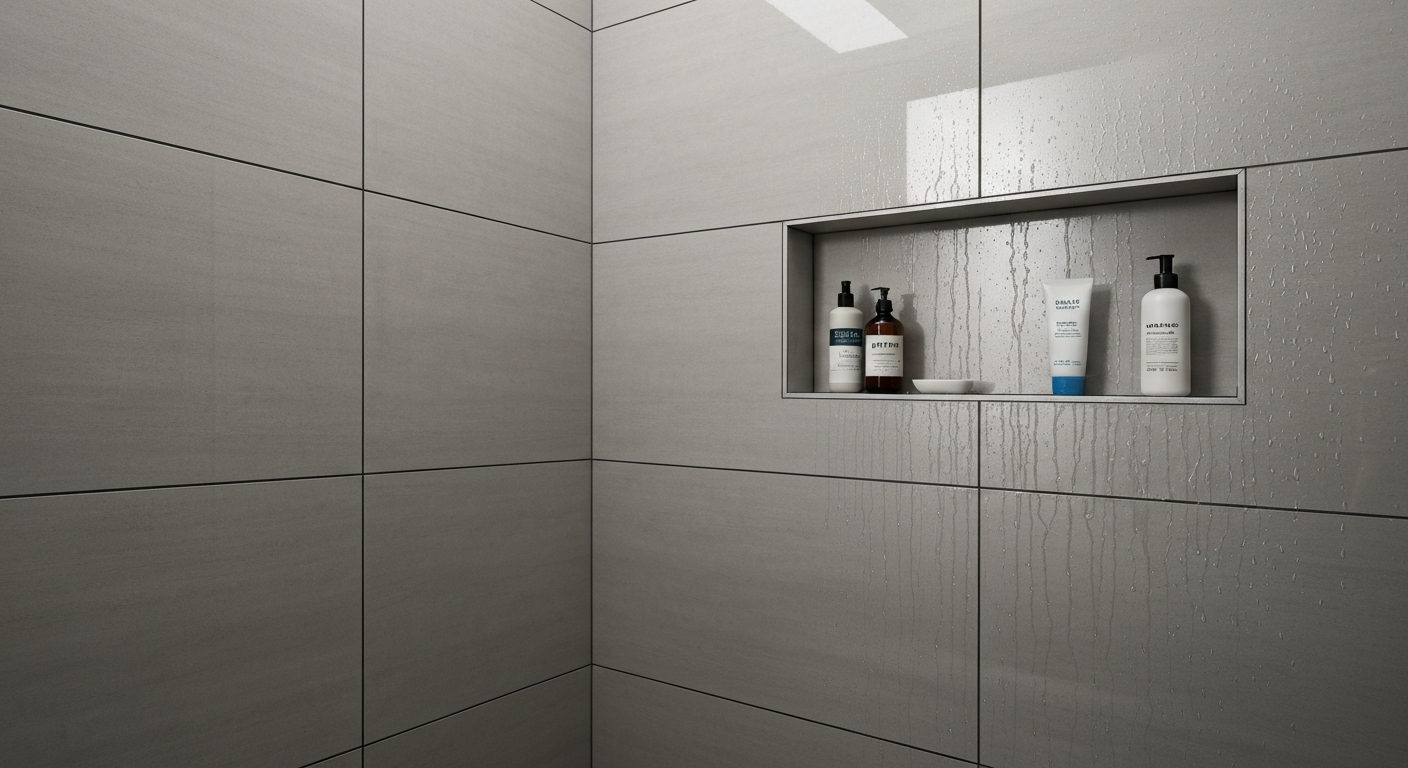
Glass tile reflects light and can make a bathroom feel bright and polished. It is often used for backsplashes, shower accents, or decorative niches. Because glass can be slippery and more difficult to install, it may not be appropriate for every surface.
Consider Slip Resistance
Safety is especially important when choosing bathroom floor and shower floor tile. Highly polished tile may look attractive but can become slippery when wet. Textured, matte, or slip-resistant finishes generally provide better traction.
Smaller tiles are often used on shower floors because the additional grout lines can improve grip and make it easier to create the proper slope toward the drain. Households with children, older adults, or people with limited mobility should give slip resistance extra consideration.
Select the Right Tile Size
Tile size affects both the appearance and maintenance of the bathroom.
Large-Format Tile
Large tiles can create a clean, modern look and reduce the number of grout lines. They are often used on bathroom floors and shower walls. Large-format tile may also make a small room appear more open, especially when the layout is simple and consistent. However, the surface must be properly prepared because large tiles require a level installation area.
Small Tile
Smaller tiles work well in shower floors, decorative borders, and curved or compact areas. Mosaic tile can add texture and detail, but it also creates more grout lines to clean.
Think About Maintenance
Tile itself may be easy to clean, but grout can require more attention. Larger tiles create fewer grout joints, which may simplify routine cleaning. Smaller tiles and detailed mosaics create more joints where soap residue, moisture, and discoloration can collect.
Consider using:
- Stain-resistant grout
- Epoxy grout
- Closely matched grout colors
- Properly sealed natural stone
- Large-format tile in high-use areas
Very light grout may show dirt, while very dark grout can show mineral deposits or soap residue. A mid-tone grout often provides a practical compromise.
Choose a Style That Fits the Bathroom
Tile can establish the entire character of the room. Popular bathroom styles include:
- Clean and modern
- Warm and natural
- Traditional
- Coastal
- Farmhouse
- Minimalist
- Spa-inspired
- Bold and colorful
For a timeless design, consider using neutral tile on large surfaces and adding personality through smaller areas that are easier to update. A patterned shower niche, decorative backsplash, or accent wall can create visual interest without overwhelming the room.
Coordinate Colors and Finishes
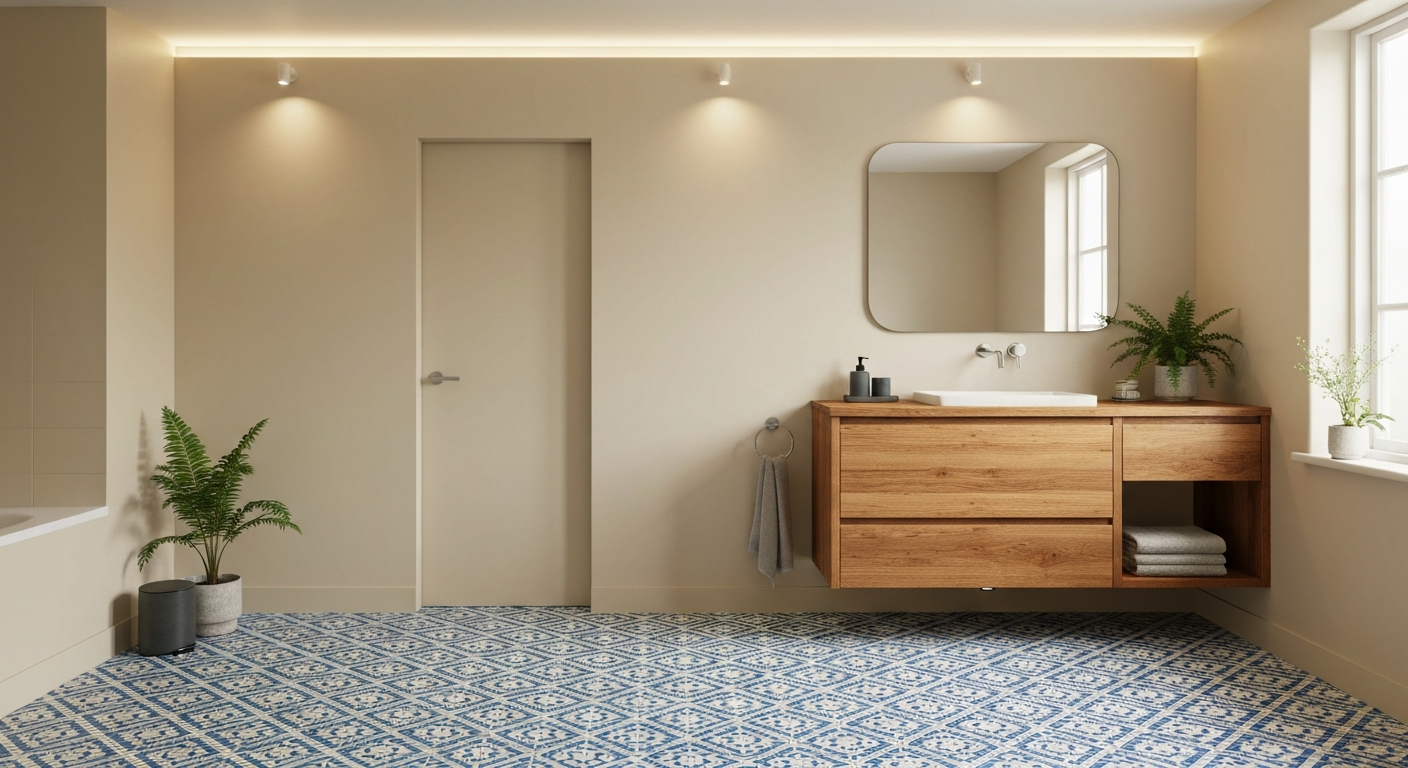
Bathroom tile should work with the vanity, countertop, fixtures, paint, and lighting. Warm whites, beige, taupe, and wood tones create a softer atmosphere. Gray, black, and crisp white can produce a more modern appearance. Green, blue, and terracotta can bring color and character into the space.
Fixture finishes also matter. Brushed nickel, chrome, brass, black, and bronze can look different depending on the tile color and surface. Bring samples into the bathroom and view them at different times of day. Natural light and artificial lighting can significantly change how a tile appears.
Use Patterns Carefully
Patterned tile can become a strong focal point, but too many competing designs may make the bathroom feel busy. A balanced approach may include:
- Patterned floor tile with simple walls
- Neutral floor tile with a decorative shower wall
- A bold backsplash with understated flooring
- A mosaic niche within a larger field of plain tile
Repeating one color, shape, or finish throughout the room can help different tile selections feel connected.
Consider the Size of the Bathroom
Tile can influence how large or small a bathroom feels. Light-colored tile can reflect more light and create an airy appearance. Large tiles with minimal grout contrast may make the floor feel more continuous.
Dark or heavily patterned tile can add depth and drama but may make a small room feel more enclosed when used on every surface. Vertical tile layouts can make walls appear taller, while horizontal layouts may make the room feel wider.
Do Not Overlook Installation Requirements
Even high-quality tile can fail when it is installed incorrectly. Bathrooms require proper:
- Surface preparation
- Waterproofing
- Drainage
- Expansion spacing
- Mortar and adhesive selection
- Grout application
- Sealing, when necessary
Shower tile is not waterproof by itself. A complete waterproofing system must be installed behind or beneath the finished tile surface. Professional installation is especially important for curbless showers, large-format tile, natural stone, complex patterns, and wet-room designs.
Order Extra Tile
Tile colors and patterns can vary slightly between production batches. Ordering extra material at the beginning of the project helps ensure replacements match. Additional tile may be needed for cuts, breakage, pattern alignment, future repairs, or installation mistakes.
The amount of extra tile required depends on the room layout and complexity of the design, but planning for waste can prevent delays.
Test Samples Before Making a Final Decision
A small sample may look very different once it covers an entire wall or floor. Before placing a full order, compare samples alongside the bathroom’s vanity finish, countertop, wall color, lighting, plumbing fixtures, and cabinet hardware. Check the tile when it is dry and wet, especially when evaluating shower flooring and slip resistance.
Choose Tile for Style and Everyday Use
The right bathroom tile should be attractive, durable, safe, and suitable for the surface where it will be installed. Start by considering moisture exposure, slip resistance, maintenance, and room size. Then narrow your options based on color, material, pattern, and overall design.
A bathroom-remodeling professional can help you compare products, confirm installation requirements, and create a tile layout that fits both your style and daily routine. With careful planning, your tile can remain functional and appealing for years.