Tub-to-Shower Conversion: Is It Right for You?
Published on July 26, 2026 • 6 min read
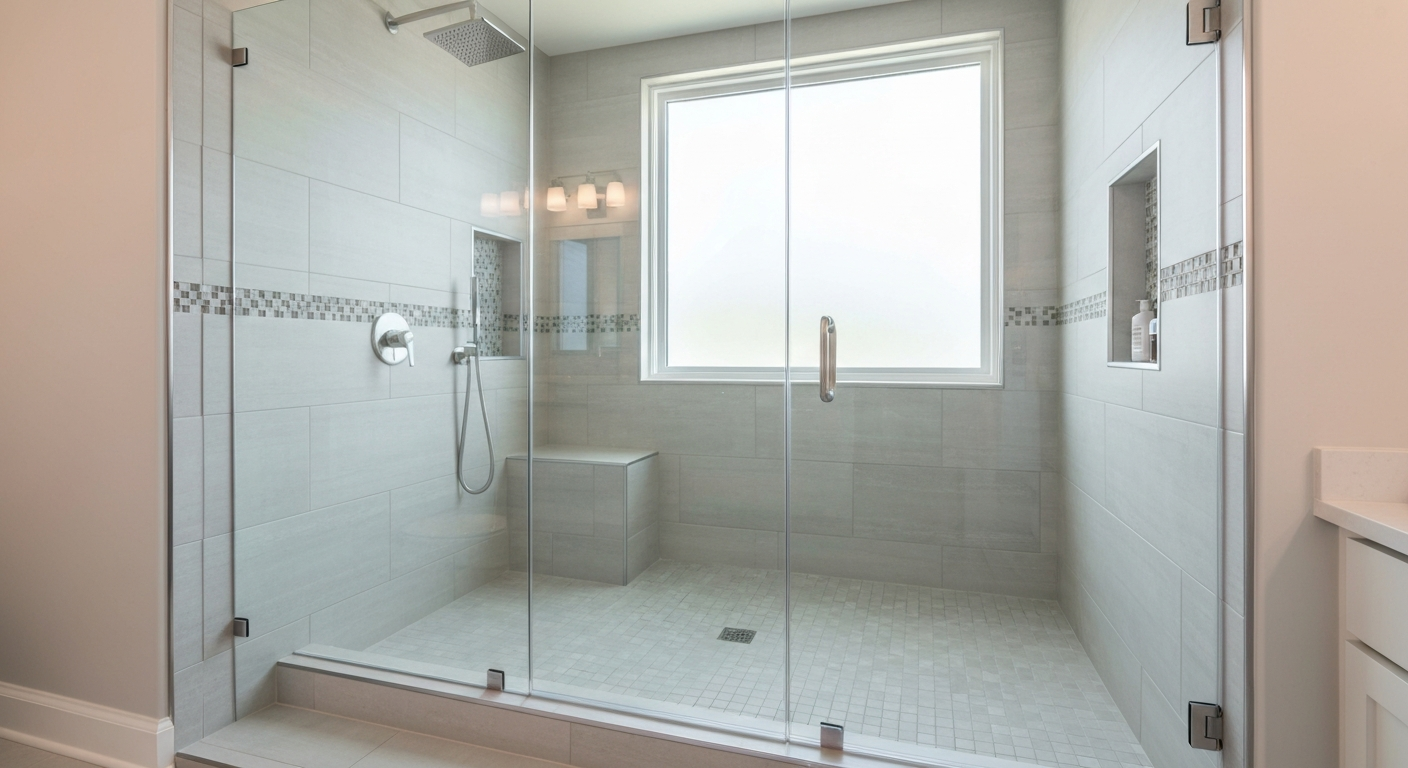
A tub-to-shower conversion can make a bathroom feel more open, modern, and easier to use. It is a popular remodeling option for homeowners who rarely use their bathtub or want a safer, more accessible bathing space.
However, removing a tub is not the right choice for every household. Before starting the project, consider how you use the bathroom, who will use it in the future, and whether keeping at least one bathtub in the home is important.
What Is a Tub-to-Shower Conversion?
A tub-to-shower conversion involves removing an existing bathtub and replacing it with a walk-in shower. In many cases, the new shower fits within the same general footprint as the old tub, which can help limit major layout changes.
The finished shower may include features such as:
- A low or curbless entry
- Glass shower doors
- A built-in bench
- Recessed storage niches
- Grab bars
- A handheld showerhead
- Slip-resistant flooring
- Custom tile or wall panels
The design can range from a simple, practical replacement to a fully customized shower with upgraded fixtures and finishes.
Signs a Tub-to-Shower Conversion May Be Right for You
A conversion may be a good choice when the bathtub is no longer serving your needs.
You Rarely Use the Bathtub
Many homeowners use their tub only as a shower. If you cannot remember the last time you took a bath, replacing the tub may give you a more functional space. A dedicated shower can provide more standing room, better storage, and easier entry.
You Want Better Accessibility
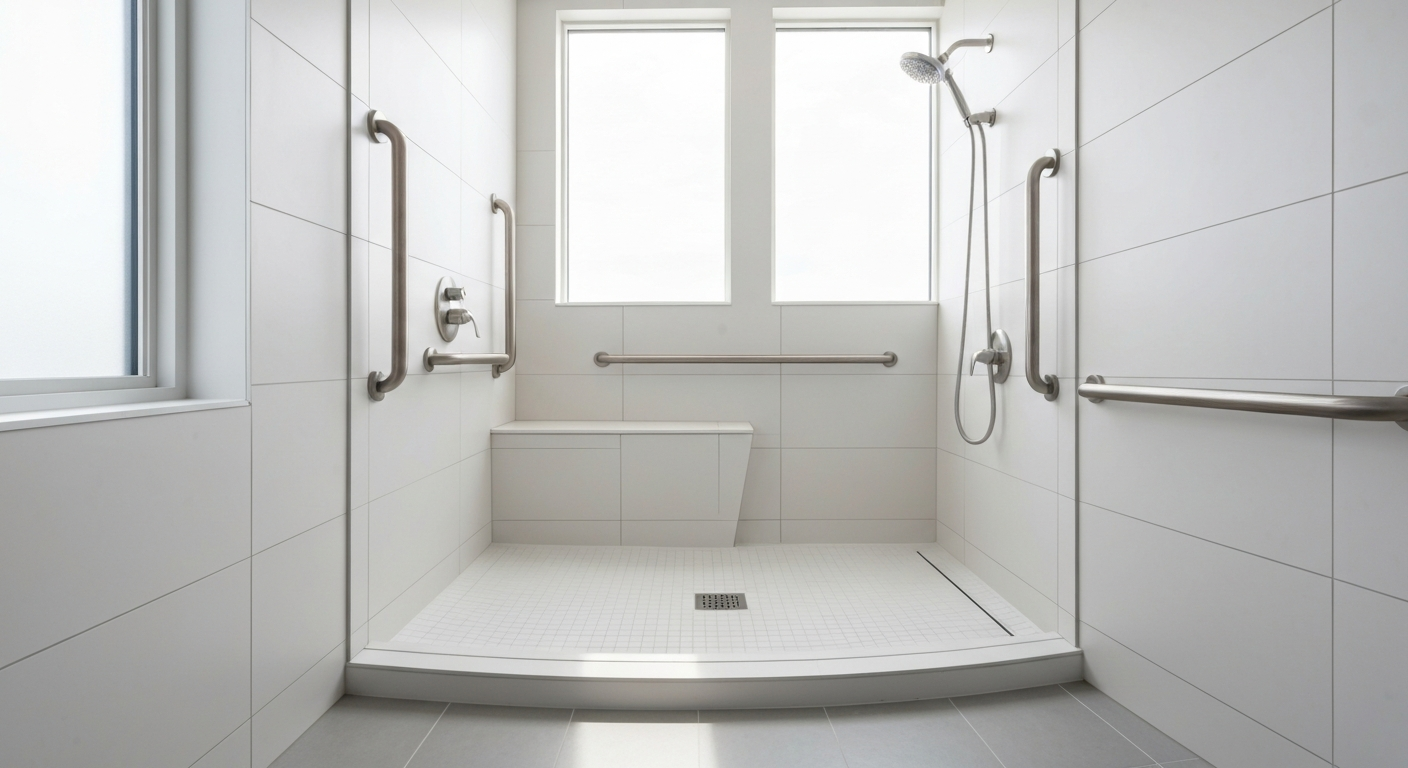
Stepping over the side of a bathtub can be difficult for older adults, people with limited mobility, or anyone recovering from an injury. A walk-in shower with a low threshold can reduce the need to lift your legs over a high tub wall. Additional features, such as grab bars, seating, and a handheld showerhead, can make the space more comfortable and easier to navigate.
Your Bathroom Feels Small or Crowded
A bulky bathtub can make a compact bathroom feel tight. Replacing it with a glass-enclosed shower may improve sightlines and make the room appear larger. Clear glass doors, light-colored surfaces, and recessed storage can further enhance the sense of space.
You Want a More Modern Look
Older tubs and surrounds can make an otherwise updated bathroom feel dated. A new shower offers an opportunity to introduce modern tile, cleaner lines, updated fixtures, and improved lighting. It can also help create a more cohesive design throughout the bathroom.
Your Existing Tub Is Damaged
Cracks, stains, rust, leaks, or worn finishes may indicate that the bathtub needs more than a cosmetic repair. If the tub already requires replacement, converting the area into a shower may be a practical alternative.
Reasons to Keep a Bathtub
Although walk-in showers are convenient, there are situations where keeping a tub may be the better decision.
- You Have Young Children: Bathtubs are often easier for bathing babies and small children. Families with young children may prefer to keep at least one tub in the home.
- You Enjoy Taking Baths: A conversion may not make sense if you regularly use the bathtub for relaxation, soaking, or therapeutic purposes. Daily habits should carry more weight than design trends.
- It Is the Only Bathtub in the Home: Some homeowners worry that removing the only bathtub could reduce the home’s appeal to future buyers. If resale is an immediate concern, keeping at least one tub may provide more flexibility.
- You Need a Deep Soaking Option: A standard tub-to-shower conversion eliminates the ability to soak. Homeowners who value this feature may be happier replacing the existing bathtub with a newer soaking tub.
Benefits of Converting a Tub to a Shower
A well-planned shower conversion can improve both appearance and everyday use. Common benefits include:
- Easier entry and exit
- More usable standing space
- Improved bathroom accessibility
- A cleaner, more contemporary appearance
- Better storage options
- Easier customization
- More convenient daily routines
A shower may also be easier to maintain when it is designed with large wall panels, fewer grout lines, and properly placed storage.
Important Design Features to Consider
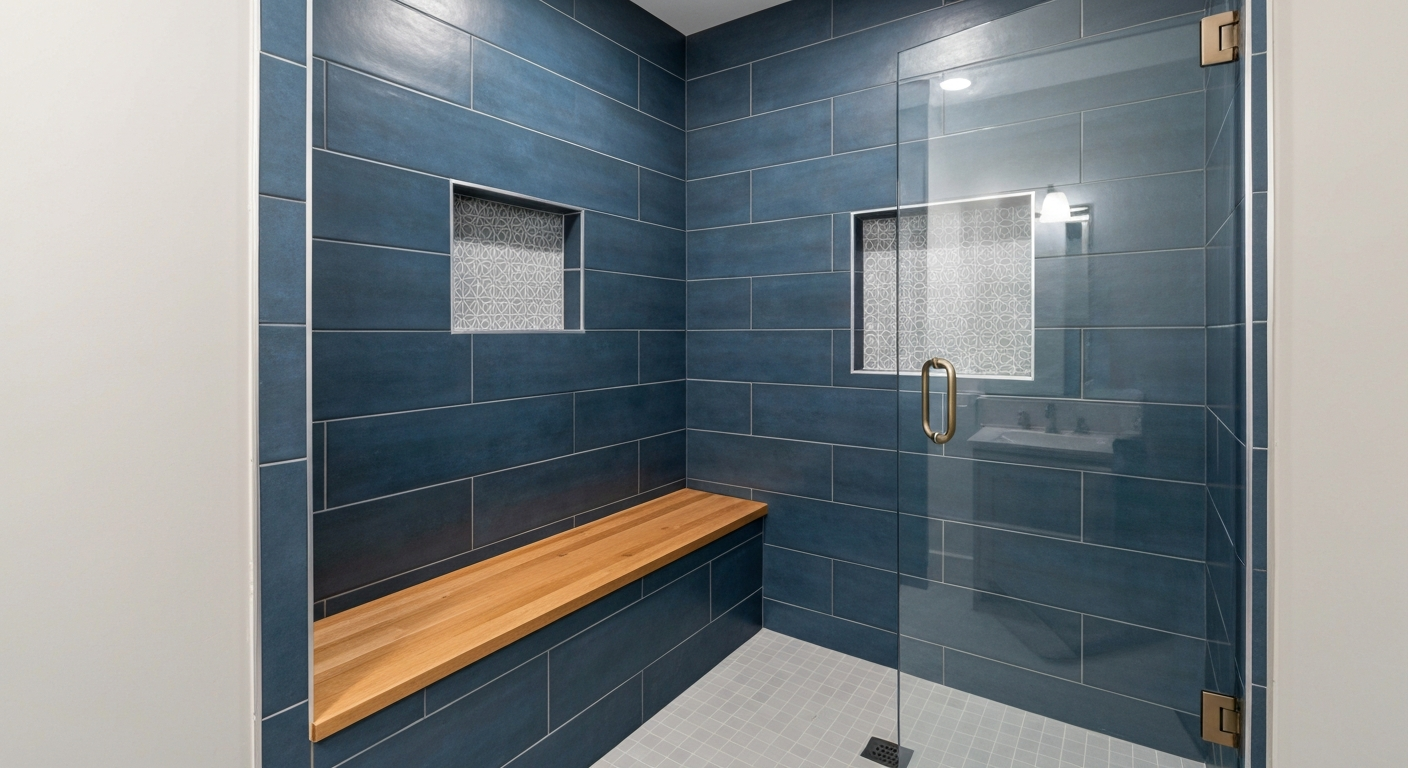
The right features can make a major difference in how safe and comfortable the new shower feels.
- Entry Height: A low-threshold shower can make entry easier. A curbless shower provides an even smoother transition but requires careful drainage planning.
- Shower Doors: Frameless glass doors create an open look, while sliding doors may work better where there is limited clearance.
- Flooring: Choose a shower floor with adequate slip resistance. Small-format tile often provides more grout lines for traction.
- Seating: A built-in bench or fold-down seat can make showering more comfortable.
- Grab Bars: Grab bars can be useful for people of all ages. Adding wall reinforcement during the remodel can make future installation easier.
- Storage: Recessed niches, corner shelves, and built-in ledges can reduce clutter and keep products within easy reach.
- Shower Fixtures: Consider a handheld showerhead, adjustable-height slide bar, rainfall fixture, or multiple spray settings based on your preferences.
How Long Does a Tub-to-Shower Conversion Take?
The timeline depends on the condition of the existing bathroom and the complexity of the new design. A straightforward conversion may move quickly when the plumbing remains in the same location and no hidden damage is found. Custom tile, structural repairs, plumbing changes, glass installation, or waterproofing corrections can extend the project.
How Much Does a Tub-to-Shower Conversion Cost?
The cost can vary significantly based on materials, labor, shower size, plumbing work, waterproofing, fixtures, and glass. A basic conversion using prefabricated wall panels and a standard shower base will generally cost less than a custom tiled shower with built-in seating, frameless glass, and relocated plumbing.
Can a Tub Be Replaced Without Changing the Layout?
In many cases, yes. Keeping the shower within the existing tub footprint can simplify the project and reduce the need to move plumbing lines. However, the drain location may need to be adjusted, and the walls must be properly prepared for the new shower system.
Is a Tub-to-Shower Conversion Worth It?
A tub-to-shower conversion can be worthwhile when it improves safety, convenience, and daily comfort. It is especially practical for homeowners who rarely take baths and want a more accessible bathroom. The best decision is based on how the bathroom is actually used rather than on remodeling trends alone.
Plan a Shower That Fits Your Needs
A successful tub-to-shower conversion should balance style, accessibility, maintenance, and long-term function. Before beginning the project, consider who will use the shower, which safety features are important, and whether removing the bathtub will affect other household needs. A qualified bathroom-remodeling professional can evaluate the existing space, identify potential plumbing or water-damage issues, and recommend a design that fits your goals.
Ready to convert your tub to a shower?
Let's discuss how we can create a safer, more comfortable, and beautiful shower space in your home.
Call +1 888-546-5896